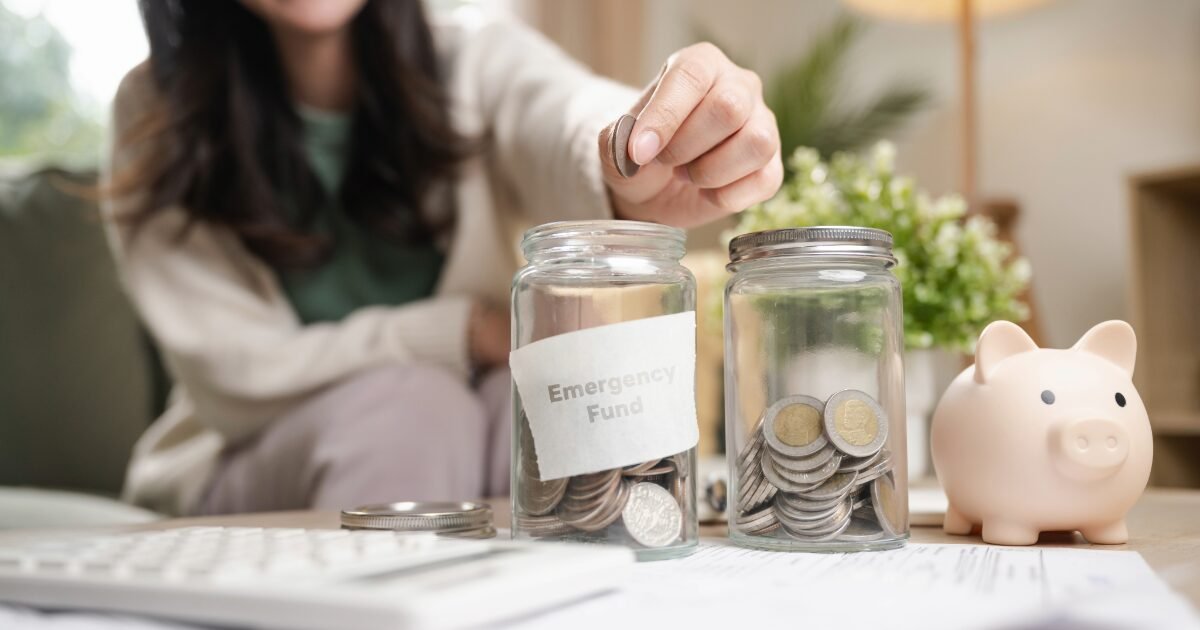
Why an Emergency Fund Matters More Than Ever in the UAE
Let’s be honest — living in the UAE is exciting, fast-paced, and full of opportunity. But it’s also expensive.
With rising rents, school fees, lifestyle upgrades, and inflation, financial pressure can build quickly. That’s exactly why learning the 7 steps to start building your emergency fund in the UAE is more important now than ever before.
Rising Cost of Living in Dubai & Abu Dhabi

Rental renewals have increased across Dubai and Abu Dhabi. Grocery bills are noticeably higher. Even casual dining isn’t as “casual” on your wallet anymore.
According to the Central Bank of the UAE, inflation and global economic pressures continue to impact consumer spending. While salaries may increase in certain industries, expenses often rise faster.
Without a financial cushion, one unexpected expense — job loss, medical emergency, car repair — can derail your stability.
Job Market Realities for Expats and Nationals
For expats, employment is often tied to residency. A sudden job change can mean visa transitions and relocation stress.
For UAE Nationals, business ventures and investment risks can also create temporary cash flow gaps.
An emergency fund isn’t optional anymore. It’s essential.
What Is an Emergency Fund?
An emergency fund is money set aside specifically for unexpected expenses. It’s not for vacations. Not for Eid shopping. Not for the latest iPhone.
It’s your financial safety net.
What Counts as an Emergency?
- Sudden job loss
- Medical bills not covered by insurance
- Car breakdown
- Urgent travel
- Major home repairs
How Much Should You Save in the UAE?
Financial experts recommend saving 3–6 months of living expenses.
If your monthly costs are AED 12,000:
- 3 months = AED 36,000
- 6 months = AED 72,000
Yes, that sounds big. But don’t panic — we’ll break it down step by step.
7 Steps to Start Building Your Emergency Fund in the UAE
Now let’s get practical.
Step 1: Calculate Your True Monthly Living Costs
You can’t save effectively if you don’t know your real expenses.
Include:
- Rent
- Utilities (DEWA/ADDC)
- Groceries
- Transport
- Insurance
- School fees
- Loan or credit card payments
Be honest. Many people underestimate dining and subscription spending.
Track 2–3 months of expenses before setting your goal.
Step 2: Set a Realistic Savings Target in AED
Don’t aim for AED 60,000 overnight.
Break it down:
If you save AED 2,000 per month:
- AED 24,000 in one year
- That’s already 2 months of expenses for many households
Small, consistent steps beat unrealistic goals.
Step 3: Open a Dedicated Savings Account
Keep your emergency fund separate from your salary account.
Why?
Because if it sits in your current account, you’ll spend it.
Many UAE banks offer savings accounts with modest returns. You can compare options through official bank websites or review financial guidelines via https://u.ae.
Separation creates discipline.
Step 4: Automate Your Savings Immediately
Automation is one of the most effective tools in any successful UAE emergency fund strategy.
Let’s be honest — if saving depends on “whatever is left at the end of the month,” it usually doesn’t happen.
Life in the UAE moves fast. Rent, dining, school fees, subscriptions — money flows out quickly. That’s why automation removes emotion from the equation.
Instead of relying on willpower, create a system.
Here’s how to automate smartly:
- Set a standing instruction with your bank
- Transfer 10–20% of your salary on payday
- Move the funds into a separate savings account
- Treat the transfer like a non-negotiable bill
When savings happen first, spending naturally adjusts.
This is called the “Pay Yourself First” principle — and it’s a cornerstone of any strong emergency fund strategy in the UAE.
Even AED 1,000 per month automatically saved becomes:
- AED 12,000 in one year
- AED 24,000 in two years
Consistency beats intensity.
Many UAE residents wait for a bonus, commission, or salary increase to start saving. But the truth? Discipline matters more than income level.
Automation creates:
✔ Habit
✔ Stability
✔ Financial confidence
✔ Progress without stress
And when paired with smart credit card usage — such as directing cashback rewards into your savings — your UAE emergency fund strategy becomes even stronger.
Small steps. Automatic systems. Big long-term results.
Step 5: Cut Invisible Expenses
A strong UAE emergency fund strategy isn’t just about earning more — it’s about plugging the leaks.
And most financial leaks are invisible.
In the UAE, lifestyle spending adds up quickly:
- Weekly brunches
- Daily coffee runs
- Food delivery apps
- Ride-hailing instead of metro
- Unused subscriptions
- Flash sales during shopping festivals
Individually, they seem harmless.
Collectively? They quietly delay your emergency fund by months.
Start With a 30-Day Expense Audit
Review:
- Bank statements
- Credit card bills
- Subscription renewals
- App store charges
Highlight anything non-essential.
Now ask yourself:
- Does this expense add real value?
- Can I reduce it?
- Can I eliminate it temporarily?
For example:
- Cutting AED 800 monthly from dining out = AED 9,600 per year
- Cancelling unused subscriptions = AED 2,000+ annually
- Switching to fuel cashback cards = additional savings
That’s over AED 10,000 redirected into your emergency savings.
Your UAE emergency fund strategy strengthens every time you redirect lifestyle spending toward long-term security.
It’s not about deprivation.
It’s about intention.
Step 6: Use Credit Cards Strategically (Not Emotionally)
Credit cards can either accelerate or sabotage your UAE emergency fund strategy.
The difference? Discipline.
In the UAE, credit cards often carry high interest rates if balances are not paid in full. Paying only the minimum due creates long-term debt that quietly erodes your ability to save.
Here’s how to use credit cards the smart way:
✔ Always Pay the Full Balance Monthly
Avoid interest completely.
✔ Choose Cards That Match Your Spending
If most of your expenses are:
- Groceries → Choose grocery cashback
- Fuel → Choose fuel rewards
- Travel → Choose travel miles
✔ Redirect Cashback Into Your Emergency Fund
This is where strategy becomes powerful.
Instead of spending rewards, transfer cashback earnings directly into your savings account. Even AED 300–500 per month in rewards adds up.
✔ Avoid Cash Advances
They come with immediate interest and high fees.
✔ Never Use Credit as an Emergency Fund
If you rely on credit during emergencies, you’re paying interest on stress.
A disciplined credit card approach supports your emergency fund strategy in the UAE instead of weakening it.
This is exactly why choosing the right card matters.
👉 Not sure which credit card aligns with your financial goals? Take the Cards Matcher Survey and find the best UAE credit card tailored to your spending habits.
The right card reduces stress.
The wrong card increases it.
Your choice matters.
Step 7: Protect and Grow Your Fund Wisely
A long-term UAE emergency fund strategy focuses on liquidity and stability rather than high-risk returns.
Your emergency fund is not an investment portfolio. It’s not meant to chase high yields, market gains, or speculative returns. Its purpose is protection.
Once you reach your first savings milestone — whether that’s AED 10,000 or AED 30,000 — your next priority is safeguarding it.
Here’s what that means in practical terms:
- Keep the money in a liquid savings account
- Avoid locking it into long-term investment plans
- Do not place it in volatile stocks or crypto assets
- Ensure easy access within 24–48 hours
In the UAE’s fast-moving economy, access matters. If your car breaks down or you face unexpected job changes, you don’t want to wait weeks to access your own money.
Many people make the mistake of trying to “grow” their emergency fund aggressively. That defeats its purpose.
Think of it this way:
Your investments build wealth.
Your emergency fund protects wealth.
A smart UAE emergency fund strategy separates these two goals clearly. Stability first. Growth second.
Once your emergency savings are fully funded (3–6 months of expenses), then you can focus on investing surplus income with confidence.
Security creates freedom. And financial freedom begins with preparation.
Common Mistakes to Avoid When Saving in the UAE
- Waiting for “extra income” to start
- Using emergency funds for shopping or travel
- Relying on credit cards as backup
- Ignoring inflation impact
- Setting unrealistic goals and quitting
Saving is a habit, not a one-time action.
Emergency Fund Tips for Expats vs UAE Nationals
For Expats
- Aim for 6 months minimum (job transitions can be sudden)
- Consider currency exchange risk
- Plan for potential relocation costs
For UAE Nationals
- Factor in business risk exposure
- Consider family financial obligations
- Integrate emergency funds into long-term wealth planning
Different circumstances, same principle: financial protection.
How the Right Credit Card Can Support Your Savings Strategy
Here’s something many people overlook.
The right credit card can:
- Offer cashback on essential spending
- Provide 0% installment plans
- Reduce financial strain during emergencies
But the wrong card?
- High annual fees
- High interest rates
- Poor reward structure
Instead of guessing, take a smarter approach.
👉 Start the Cards Matcher Survey today to find the credit card that supports your financial goals — not hurts them.
Building an emergency fund isn’t just about saving. It’s about making informed financial choices.
Frequently Asked Questions
1. How long does it take to build an emergency fund in the UAE?
It depends on income and savings rate. Most people can build 3 months of expenses within 12–18 months with discipline.
2. Where should I keep my emergency fund?
In a separate savings account that is liquid and easily accessible.
3. Should I invest my emergency fund?
No. Keep it safe and liquid. High-risk investments defeat its purpose.
4. Is 3 months enough in the UAE?
For stable jobs, maybe. For expats, 6 months is safer.
5. Can I use credit cards instead of an emergency fund?
Not recommended. Interest charges can quickly create debt.
6. What’s the first step I should take today?
Track your expenses for one month and set a savings target.
Conclusion: Start Small, Stay Consistent, Build Confidence
Learning the 7 steps to start building your emergency fund in the UAE isn’t about fear. It’s about empowerment.
Financial stability doesn’t happen overnight.
It happens when you:
- Track your spending
- Automate savings
- Reduce unnecessary debt
- Make informed financial decisions
One dirham at a time.
And if you’re reviewing your credit card strategy as part of your savings plan, don’t leave it to chance.
👉 Take the Cards Matcher Survey and choose a card that works for your financial future.
Because in the UAE’s fast-moving economy, preparation isn’t optional — it’s powerful.